
Are transitional justice and memory policies at risk of regressing? The Spanish case compared with Brazil and Argentina
Talk by Carsten Humlebæk (CBS).
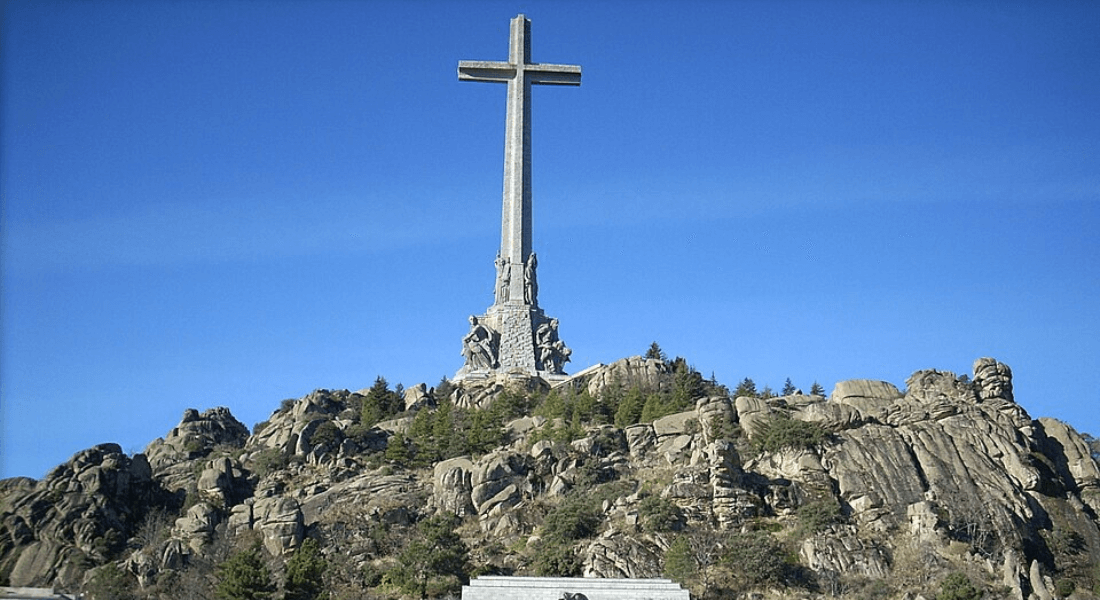
This paper examines the challenges and potential setbacks faced by memory and transitional justice policies in contemporary democracies. While the early optimism of the “memory boom” suggested linear progress, the electoral rise of far-right movements calls for a reassessment of this assumption. The erosion of the authoritarian stigma in post-dictatorial societies reveals the vulnerability of memory policies to political volatility. The article analyzes Spain as the main case, with comparative references to Brazil and Argentina. It shows that while setbacks are increasingly common, memory and transitional justice policies are subject to very complex dynamics where the historical, political, and social contexts matter in a field marked by the mobilizing potential of the political discourse on memory, on one hand, and the acquired rights resulting from transitional justice and memory policies, on the other.
All are welcome - no registration.
Map of South Campus
View directions.
View on map of the Faculty of Humanities - South Campus.
View map of South Campus (pdf).